
Balancing Reading and Writing in a Busy Week
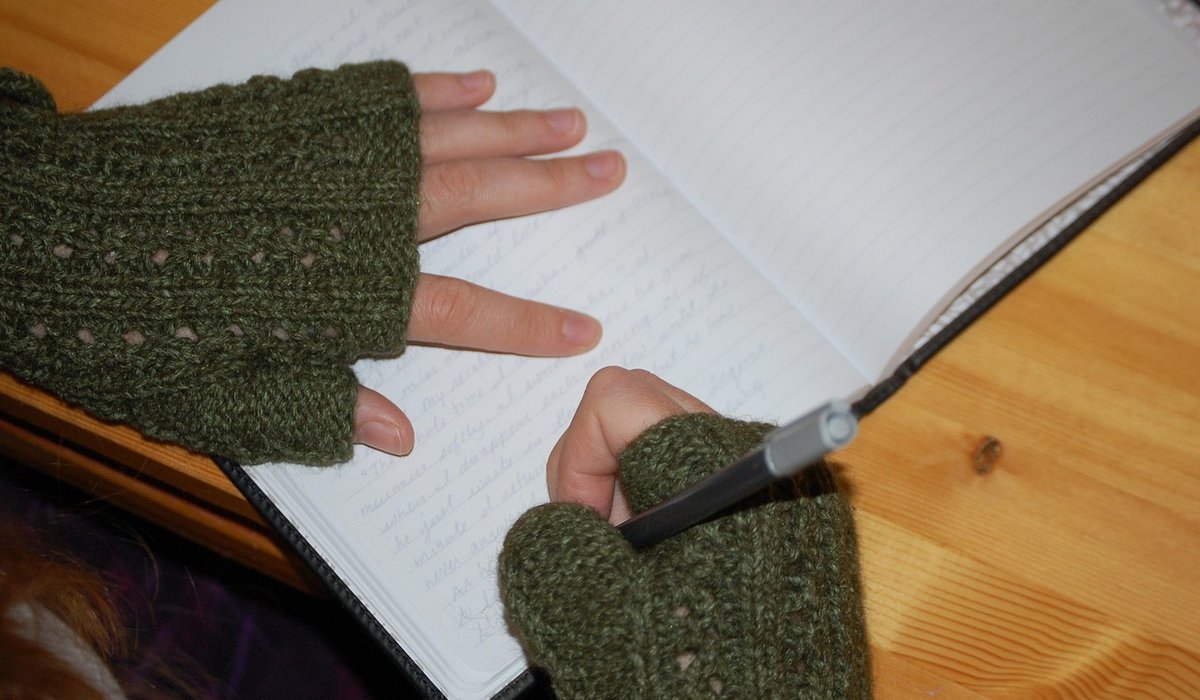
Two Pleasures, One Tired Brain
Most writers I know have the same argument with themselves in the evening. The book on the armchair is calling; the notebook on the desk is sulking. By nine o'clock, both lose to a box set and a cup of tea. It is not laziness — it is decision fatigue. When reading and writing compete for the same tired hour, they usually both disappear, and a fortnight later you have finished nothing and read nothing.
The fix is not more willpower. It is a schedule that gives each pleasure its own slot, so the two never have to fight over the same scrap of time.
Small Slots Beat Heroic Intentions
A three-hour "writing Sunday" sounds wonderful and rarely survives contact with real life. Twenty-five minutes, decided in advance, almost always happens. The point of a small slot is that it removes negotiation: you are not asking whether you feel like it, you are simply turning up at the appointed time.
Two rules make it stick. First, keep the slot short enough that you would still do it on a bad day — twenty to thirty minutes is plenty. Second, attach it to something that already happens, so the cue is automatic rather than aspirational.
- Once the kettle has boiled in the morning: write.
- When you get into bed: read.
- Before you close the laptop at lunch: read a page.
- As soon as the plates are cleared: write against a timer.
Name the slot in your diary as if it were a meeting with someone you respect. You are the someone.
Alternate Reading Nights with Writing Mornings
This is the pattern I recommend most often, because it gives both habits a home without asking them to share one.
Evenings on Monday, Wednesday and Friday belong to reading. Mornings on Tuesday, Thursday and Saturday belong to writing. Sunday is spare — use it for whichever one you missed, or for nothing at all. That is six touched days out of seven, with two completely free.
The practical part is preparation. The night before a writing morning, leave the notebook open at the page you stopped on, or the document open with one sentence waiting for you. Before a reading night, put the book on the armchair with the bookmark already in. Remove the friction and the habit looks after itself.
If you sleep badly, swap them. Reading is the lower-effort option and makes a kinder fallback than a blank page. Nothing in the plan forbids bending it.
Pair a Chapter with a Short Freewrite
If your week only allows one sitting, do both things at once. Read a chapter, then write for ten minutes immediately, before the mood leaves you.
The freewrite is not a review. It is a warm-up that uses what you have just read as fuel. Try any of these:
- Describe, from memory, the room the chapter took place in.
- Write a letter in the voice of the character who annoyed you most.
- Copy out one sentence you admired, then write three of your own in its rhythm.
- Continue the scene for half a page as though you were the author.
Fifteen minutes in total, and you have read something and written something. On a punishing week this is the whole practice, and it is enough to keep the muscles warm.
Build a Corner That Invites Both
A cosy home library is not a room you save for later; it is a chair with decent light and a shelf within reach. The mistake many of us make is turning it into a shrine — cushions you cannot move, books you dare not crack, a desk so tidy that writing feels like a formal occasion.
Keep it usable. A warm bulb rather than a harsh overhead light. A blanket that can be kicked onto the floor. A side table with mug-sized space, a pen and a notebook that lives there permanently. Only the books you are reading now need to be on the nearest shelf; the rest can wait their turn.
Put your phone in another room and keep a small clock in view instead. Both habits thrive on undistracted time, and one well-lit corner does more for a reading and writing life than a whole spare room full of good intentions.
When the Week Goes Sideways
Some weeks will flatten you. The answer is a minimum version you can complete in five minutes: one page read, one hundred words written. Tick it off on a paper grid and aim never to miss twice in a row. A streak broken once is a pause; broken twice, it is a habit quietly leaving.
Spend ten minutes on Sunday choosing what to read next and noting what you want to write, then put the book and the notebook where you will trip over them. The week will still be busy — but both pleasures will have a place in it.

4 Comments